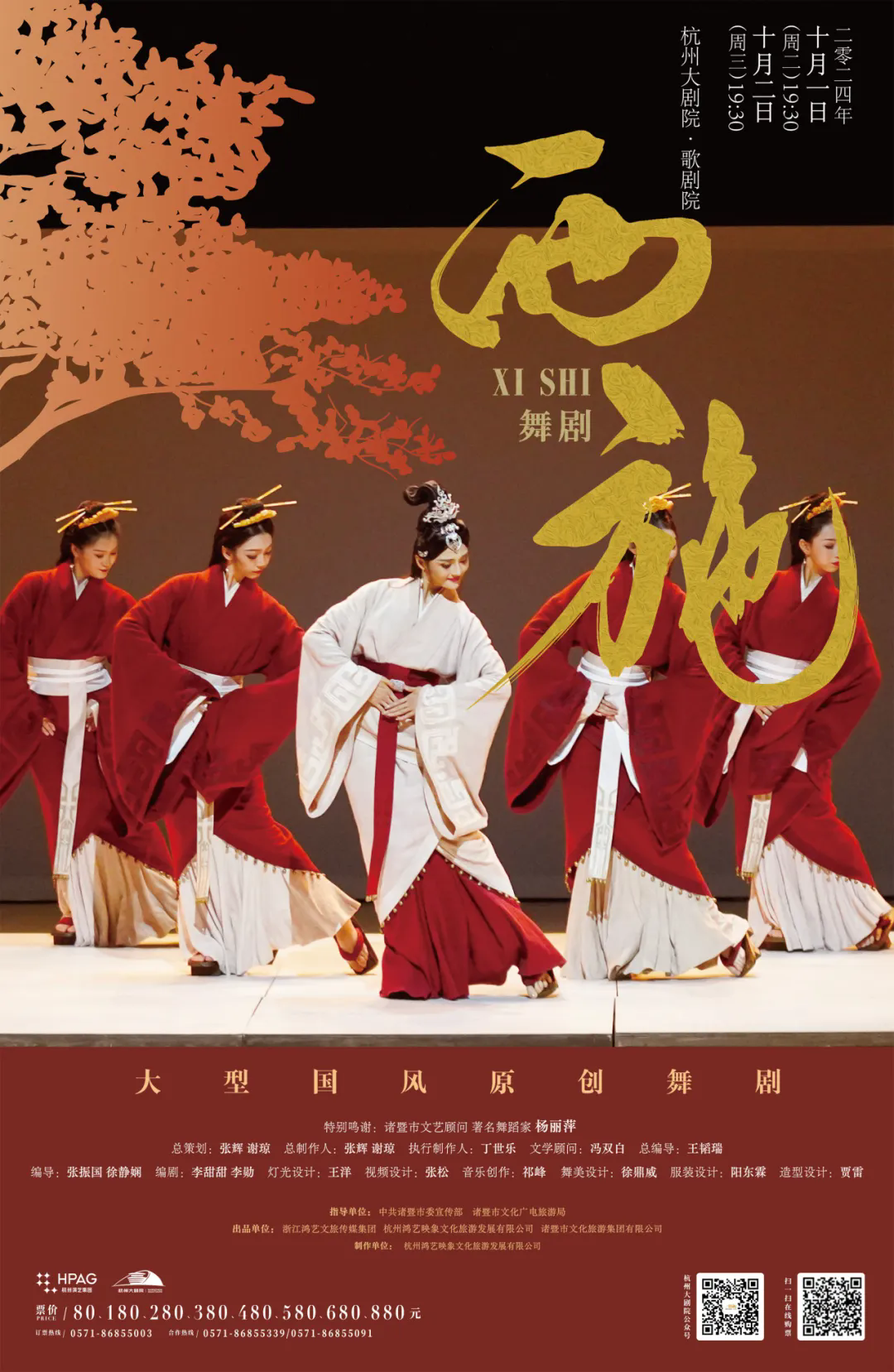
Xi Shi
Introduction
Xi Shi, one of the renowned Four Beauties of ancient China, has been a symbol of unparalleled beauty and timeless allure for centuries. Her legendary life and legacy have inspired countless poems, stories, and artistic endeavors, rendering her an iconic figure in Chinese cultural history. Though historical verification of her life remains elusive, Xi Shi is believed to have lived around 500 BC during the Spring and Autumn Period. Her beauty and charm were said to have played a pivotal role in a significant historical event—the downfall of the Wu Kingdom.
Legend and Mythology
The legends surrounding Xi Shi are deeply intertwined with Chinese folklore and history. She is often associated with the tale of how her beauty was utilized as a strategic asset in political warfare. According to folklore, Xi Shi was selected by Fan Li, a strategist of the Yue Kingdom, to be sent to the rival Wu Kingdom as part of a plan to weaken its ruler, King Fuchai. Captivated by her beauty, King Fuchai neglected his duties, leading to the eventual downfall of Wu. This narrative highlights not only Xi Shi’s allure but also the intricate interplay of beauty and strategy in ancient Chinese politics. Over time, her story has been embellished with mythological elements, painting her as a figure of both human and divine beauty.
Appearance and Characteristics
Descriptions of Xi Shi’s appearance often emphasize her delicate features and graceful demeanor. She is depicted with an oval face, bright eyes, and a serene expression, embodying the classical ideals of feminine beauty in ancient China. Her beauty was said to be so enchanting that it caused fish to sink when she gazed upon the water, an imagery that poetically underscores her mesmerizing presence. These characteristics have been immortalized in various art forms, from classical paintings to modern interpretations, each striving to capture the ethereal quality that Xi Shi represents.
Influence on Chinese Culture
Xi Shi's influence extends far beyond her legendary beauty. She has become a cultural icon, representing the profound impact that beauty can have within the socio-political context. Her story has inspired numerous works of poetry, prose, and drama over the centuries, becoming a metaphor for the power and potential danger of outward allure. Her tale also serves as a narrative exploring themes of sacrifice, loyalty, and the complex dynamics of love and duty.
Historical Sites and Commemoration
Several historical sites in China commemorate Xi Shi, celebrating her legacy and the cultural narratives associated with her life. Locations such as the West Mountain Scenic Area, where King Fuchai and Xi Shi are said to have spent leisure time, serve as tourist attractions that draw visitors interested in both natural beauty and historical lore. These sites are often enriched with sculptures, inscriptions, and artistic renditions of Xi Shi, offering a glimpse into the enduring fascination with her story. In modern times, these sites provide both educational insight and aesthetic pleasure, connecting visitors with China's rich historical tapestry.
Modern Interpretations and Legacy
In contemporary art and culture, Xi Shi’s story has been reimagined and reinterpreted through various mediums. Dance dramas, such as the one choreographed by Yang Liping, explore her life through the fusion of traditional and modern artistic expressions, offering fresh perspectives on her narrative. The integration of high-tech elements in theater productions like "Splendor" further enriches these reinterpretations, making Xi Shi's tale accessible to a broader audience. Moreover, her influence extends to fashion and cosmetics, as seen in collaborations like that of L'Oreal with the National Museum of China, which drew inspiration from her classic elegance.
Conclusion
Xi Shi remains a quintessential figure in both historical and modern contexts, representing not only the ideal of beauty but also the intricate narratives of love, sacrifice, and power. Her legacy, as captured through folklore, art, and contemporary reinterpretations, continues to fascinate and inspire. As a cultural icon, Xi Shi exemplifies the enduring allure of ancient Chinese history and its capacity to engage and resonate with audiences across generations and cultures.








